 Ellesmere

For a serious baker, the oven is the most important piece of kit in the kitchen. The wrong choice leads to uneven rises, pale crusts, and frustrating results. The right one makes everything easier. Here's how to find it.
Start with what you actually bake
The best oven for a sourdough baker is not the same as the best oven for someone who makes delicate pastries or wants to run two trays of biscuits at once. Before looking at specs, think about what you bake most often.
Bread & sourdough
Look for steam injection or humidity control — it's what creates that crispy crust and open crumb. A high maximum temperature (250°C+) helps too.
Cakes & pastries
Precise, even temperature is everything. A fan oven with accurate controls and minimal hot spots will serve you far better than raw power.
Multi-tasking
A double oven or large cavity lets you run sweet and savoury bakes simultaneously at different temperatures without compromise.
Which type of oven is right for baking?
Fan (convection) oven
Circulates hot air using one or two fans for faster, more even cooking throughout the cavity.
Best for: multi-rack baking, pastries, biscuits, consistent results across shelves.
Note: the airflow can dry out delicate bakes — drop temperature by 10–20°C vs conventional settings.
Conventional (static) oven
Uses fixed heat from top and bottom elements. Heat rises naturally so the top runs hotter.
Best for: bread, meringues, slow bakes that benefit from gentle, moist heat.
Note: less even than fan ovens — you may need to rotate trays mid-bake.
Electric oven
Consistent, precise temperature control with optional fan assistance. The most versatile option for serious bakers.
Best for: all baking tasks — precision and consistency are the main advantages.
Note: slightly more expensive to run than gas, but accuracy is worth it for most bakers.
Gas oven
Generates naturally moist heat, which benefits certain bakes. Heat distribution is less even than electric.
Best for: bread and bakes that benefit from a moister baking environment.
Note: less precise temperature control — harder to achieve consistent results with delicate bakes.
Our recommendation for most bakers: a single electric fan oven gives the best combination of precision, versatility, and even heat. If you bake at volume or want separate temperatures, a double electric oven is worth the investment.
Size and capacity
Standard built-in ovens have a cavity of around 60–72 litres, which suits most baking tasks comfortably. If you regularly bake large batches — multiple trays, big loaves, or large roasting tins alongside a bake — aim for the higher end of that range.
- Single oven (60–72L): suits most home bakers. Check internal width — wider cavities fit more standard trays side by side.
- Double oven: two separate cavities at different temperatures. Ideal if you regularly bake sweet and savoury at the same time.
- Compact oven (40–45L): fits under a worktop. Practical for smaller kitchens, but limits batch sizes.
Also check the number of shelf positions — more positions give greater flexibility when running multiple trays and help you work around hot spots.
Features worth paying for
Steam injection
If bread is your main focus, this is the single most impactful upgrade available. Steam during the first phase of baking keeps the crust soft long enough for the loaf to expand fully before it sets — the result is a better rise and a crispier finish. Once only found on professional equipment, steam functions are now available on a growing range of domestic ovens.
Pyrolytic self-cleaning
Heats the oven to around 500°C, turning all residue to ash that you simply wipe away. If you bake regularly, the time saved over months and years is significant — and the interior stays cleaner between uses, which means more consistent results.
Precise temperature control
Look for ovens that hold their set temperature accurately rather than swinging several degrees in either direction. Some higher-end models offer degree-by-degree control — particularly useful for temperature-sensitive work like choux pastry, macarons, or chocolate.
Proving function
A low-temperature setting (around 30–40°C) creates ideal conditions for proving bread dough. Especially useful in a cooler home or during winter months when the kitchen doesn't naturally stay warm enough.
Dual fans
Higher-end models offer two fans for improved air circulation across multiple shelves. If you regularly bake on two or three racks at once, this makes a real difference to evenness of results.
Budget guide
| Budget | What to expect | Best for |
|---|---|---|
| £300–£500 | Reliable fan oven, basic programmes, standard cleaning | Occasional bakers who want solid, consistent results |
| £500–£1,000 | Multiple cooking modes, pyrolytic cleaning, better temperature precision | Regular bakers who want more control and less maintenance |
| £1,000+ | Steam functions, dual fans, smart controls, professional-grade precision | Serious bakers who want the best possible results |
Brands we stock and consistently recommend for baking — Neff, Bosch, and AEG — perform well across all price points and offer solid long-term reliability. Our team can talk you through specific models in each range and what suits your kitchen best.
Before you buy: measure your existing housing carefully. Standard built-in ovens fit a 60cm wide cabinet, but heights vary between manufacturers. If you're replacing an existing oven, check the cut-out dimensions before ordering. Our team can advise on installation too — just get in touch.
Browse our full range of built-in ovens in store or online — and speak to our team for advice on the right model for your baking style.
Shop built-in ovens →How to Choose the Perfect Oven for Baking Enthusiasts
At Barlows Electrical, we know that for baking enthusiasts, the oven isn't just another kitchen appliance—it's a critical tool that can make or break your culinary masterpieces. Whether you’re aiming to perfect your signature sourdough bread, craft buttery pastries, or bake the fluffiest cakes, the right oven can elevate your baking experience to new heights. Yet, with so many options on the market, it’s easy to feel overwhelmed. This guide will walk you through every aspect of choosing the ideal oven for your baking needs, ensuring that your investment leads to years of delicious results.

Understand Your Baking Needs
Your baking habits and preferences are the foundation of your oven choice. Reflect on the following questions:
- Frequency: Do you bake occasionally for friends and family, or is baking a regular part of your routine?
- Baking Focus: Are you more into artisan bread, delicate pastries, or hearty savoury bakes? Different baking styles can demand specific oven features.
- Experimentation: Are you happy sticking to classic recipes, or do you enjoy trying new trends, like vegan baking or sourdough?
Understanding your priorities will help narrow down features.
- Bread Enthusiasts: Look for steam ovens or models with humidity control to achieve that crispy crust and soft interior.
- Cake Lovers: A fan-assisted oven with precise temperature settings ensures evenly baked layers every time.
- Multi-taskers: Double ovens or ovens with split compartments are perfect for baking sweet and savoury items simultaneously.
Tip from Barlows: Our team is always ready to guide you in identifying an oven that meets your baking aspirations.
Types of Ovens: What’s Right for You?
Not all ovens are created equal, and understanding the pros and cons of each type is key:
Convection Ovens:
- How They Work: Circulate hot air using a fan for faster, more even cooking.
- Advantages: Ideal for multi-layer baking as the consistent airflow prevents uneven cooking.
- Considerations: They can dry out certain delicate items like custards if not used correctly.
Conventional Ovens:
- How They Work: Use static heat from top and bottom elements.
- Advantages: Provide traditional baking results, perfect for simple recipes and beginner bakers.
- Considerations: Uneven heat can sometimes result in overbaking on one side.
Gas Ovens:
- How They Work: Heat is generated by a gas flame.
- Advantages: Retains moisture well, making it great for bread and other baked goods prone to drying out.
- Considerations: Heat distribution can be less precise than electric options.
Electric Ovens:
- How They Work: Heat is generated by electric elements with optional fan assistance.
- Advantages: Provide precision and consistent results, making them versatile for all baking tasks.
- Considerations: Typically more expensive to run compared to gas ovens.
Barlows Recommends: Visit our showroom to see these oven types in action and get personalised advice.
Essential Features to Look For
When choosing an oven, the right features can make baking easier, faster, and more enjoyable. Here are some key ones to consider:
- Temperature Range: A wider range is better for diverse baking tasks, from low-temperature slow cooking to high-heat bread baking.
- Even Heat Distribution: Look for models with dual fans or advanced air circulation technology to avoid hot spots.
- Timers and Smart Controls: Features like delayed start and Wi-Fi connectivity let you manage your baking even when you're multitasking.
- Self-Cleaning Functions: Ovens with pyrolytic cleaning make maintenance hassle-free by turning residue into ash.
- Specialised Settings: Steam-baking modes, pizza functions, and dough-proving programs can add professional flair to your bakes.
Barlows Insider Tip: Look for ovens with pre-set programmes for common recipes—they’re perfect for simplifying complex bakes.
Size and Capacity
Your baking habits and preferences are the foundation of your oven choice. Reflect on the following questions:
- Frequency: Do you bake occasionally for friends and family, or is baking a regular part of your routine?
- Baking Focus: Are you more into artisan bread, delicate pastries, or hearty savoury bakes? Different baking styles can demand specific oven features.
- Experimentation: Are you happy sticking to classic recipes, or do you enjoy trying new trends, like vegan baking or sourdough?
Understanding your priorities will help narrow down features.
- Bread Enthusiasts: Look for steam ovens or models with humidity control to achieve that crispy crust and soft interior.
- Cake Lovers: A fan-assisted oven with precise temperature settings ensures evenly baked layers every time.
- Multi-taskers: Double ovens or ovens with split compartments are perfect for baking sweet and savoury items simultaneously.
Tip from Barlows: Our team is always ready to guide you in identifying an oven that meets your baking aspirations.
Budget and Brand Recommendations
The price of an oven can vary widely depending on features, size, and brand reputation. Here’s how to choose within your budget:
- Entry-Level Ovens (£300-£500): Reliable for occasional bakers, with basic features and good performance.
- Mid-Range Ovens (£500-£1,000): Offer advanced features like convection fans, multiple modes, and sleek designs.
- Premium Ovens (£1,000+): Professional-grade models with top-notch technology, like steam baking, Wi-Fi controls, and ultra-precise settings.
Barlows Recommends: Trusted brands like Neff, Bosch, and AEG offer exceptional quality and durability. Our showroom features a curated selection to fit every budget.
Additional Tips for a Wise Purchase
When choosing an oven, the right features can make baking easier, faster, and more enjoyable. Here are some key ones to consider:
- Temperature Range: A wider range is better for diverse baking tasks, from low-temperature slow cooking to high-heat bread baking.
- Even Heat Distribution: Look for models with dual fans or advanced air circulation technology to avoid hot spots.
- Timers and Smart Controls: Features like delayed start and Wi-Fi connectivity let you manage your baking even when you're multitasking.
- Self-Cleaning Functions: Ovens with pyrolytic cleaning make maintenance hassle-free by turning residue into ash.
- Specialised Settings: Steam-baking modes, pizza functions, and dough-proving programs can add professional flair to your bakes.
Barlows Insider Tip: Look for ovens with pre-set programmes for common recipes—they’re perfect for simplifying complex bakes.


 5%%
5%%OFF


Retail price
Now
£189.00
Was
£199.00
Save
£10.00
In Stock, Available for Delivery
 11%%
11%%OFF

Retail price
Now
£399.00
Was
£449.00
Save
£50.00
Ex-Display Stock Available

 22%%
22%%OFF

Retail price
Now
£689.99
Was
£879.00
Save
£189.01
In Stock, Available for Delivery
 18%%
18%%OFF

Retail price
Now
£699.00
Was
£853.00
Save
£154.00
In Stock, Available for Delivery
 27%%
27%%OFF
Retail price
Now
£799.00
Was
£1,099.99
Save
£300.99
In Stock, Available for Delivery, End Of Line Product
 30%%
30%%OFF
Retail price
Now
£699.00
Was
£999.00
Save
£300.00
Ex-Display Stock Available
 16%%
16%%OFF
Retail price
Now
£379.00
Was
£449.00
Save
£70.00
In Stock, Available for Delivery
 23%%
23%%OFF
Retail price
Now
£529.00
Was
£689.90
Save
£160.90
Ex-Display Stock Available
 18%%
18%%OFF

Retail price
Now
£449.99
Was
£549.99
Save
£100.00
In Stock, Available for Delivery


 3%%
3%%OFF


Retail price
Now
£679.99
Was
£699.99
Save
£20.00
In Stock, Available for Delivery, End Of Line Product
Retail price
£269.00
In Stock, Available for Delivery, End Of Line Product
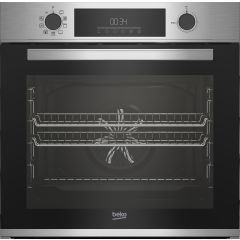
Retail price
£339.00
In Stock, Available for Delivery, End Of Line Product
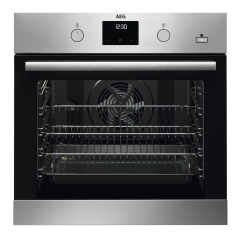
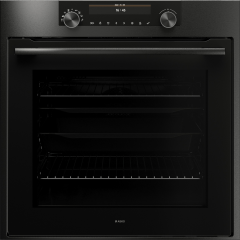 10%%
10%%OFF


Retail price
Now
£899.00
Was
£999.00
Save
£100.00
In Stock, Available for Delivery, End Of Line Product
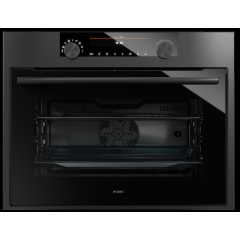 10%%
10%%OFF
Retail price
Now
£899.00
Was
£999.00
Save
£100.00
In Stock, Available for Delivery, End Of Line Product
 7%%
7%%OFF
Retail price
Now
£649.99
Was
£699.99
Save
£50.00
In Stock, Available for Delivery
 20%%
20%%OFF

Retail price
Now
£799.00
Was
£999.00
Save
£200.00
Approximate Delivery 3-5 Days
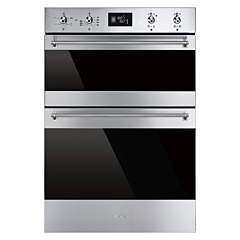 22%%
22%%OFF
Retail price
Now
£999.00
Was
£1,289.00
Save
£290.00
Approximate Delivery 3-5 Days
Choosing the perfect oven is an exciting step for any baking enthusiast. By understanding your needs, exploring the different options, and focusing on the features that matter most, you can find an oven that complements your passion for baking. At Barlows Electrical, we’re committed to helping you make an informed decision that fits your lifestyle, kitchen, and budget.
Ready to find the oven of your dreams? Visit us at Barlows Electrical or browse our online store to discover a range of high-quality ovens. If you have any questions or want to share your baking journey, drop a comment below or speak to one of our specialists today!

