 Ellesmere

Reducing your energy bills doesn't require drastic changes or big investments. Small, consistent adjustments to how you use your appliances can add up to meaningful savings — and most of them cost nothing at all.
As the seasons change and temperatures drop, energy costs tend to creep up. But a few straightforward habits around how you use your household appliances can make a real difference to what lands on your bill each month. Here are six practical strategies to help you lower your energy use this season.
1. Get smarter with your thermostat
Heating and cooling account for a significant chunk of most households' energy use. One of the simplest wins is turning your thermostat down by just 1°C — which can cut heating costs by around 10% according to the Energy Saving Trust. Dropping it further when you're asleep or out of the house compounds those savings quickly.
If you haven't already, consider upgrading to a programmable or smart thermostat. These learn your routine and adjust automatically, so your home is only heated when it needs to be. Combined with good draught-proofing, it's one of the most cost-effective changes you can make.
2. Tackle phantom load — the energy you don't notice
Many devices continue drawing power even when they're switched off or on standby — this is known as phantom load or standby power, and it can account for up to 10% of your household electricity use. TVs, games consoles, phone chargers, and kitchen gadgets are common culprits.
The fix is simple: use a power strip for clusters of devices and switch it off at the wall when everything's not in use. One switch, done. Chargers left plugged in when nothing's charging are particularly wasteful — it's a small habit that adds up over time.
Worth knowing: appliances on standby still draw power. Turning devices off completely rather than leaving them on standby is one of the easiest no-cost changes you can make.
3. Switch to LED lighting throughout your home
Lighting accounts for around 10% of a typical household's electricity use. LED bulbs use up to 75% less energy than traditional incandescent bulbs and last significantly longer — meaning less money spent on replacements too. If you haven't made the switch yet, it's one of the fastest-payback changes available.
To go further, motion sensors or timers on frequently used lights — particularly outdoors or in hallways — ensure lights are only on when they're actually needed.
4. Use eco modes on your appliances
Most modern washing machines and dishwashers include an eco or energy-saving programme. These cycles use lower temperatures and less water, achieving the same results while consuming significantly less energy. The trade-off is a longer cycle time — but if you're not in a rush, the savings are worth it.
If your appliances don't have an eco mode, simply washing at 30°C rather than 40°C makes a noticeable difference on its own. Most modern detergents are formulated to work effectively at lower temperatures.
5. Shift heavy appliance use to off-peak hours
If you're on a time-of-use energy tariff (such as Economy 7 or a smart tariff), the cost of electricity varies depending on the time of day. Running your washing machine, tumble dryer, or dishwasher during off-peak hours — typically overnight or early morning — can cut the running cost of each cycle significantly.
Most modern appliances have a delay start function built in. Set it before you go to bed and wake up to a finished load — no change to your routine required.
6. Keep your appliances well maintained
An appliance that's working harder than it needs to uses more energy. A few simple maintenance habits keep things running efficiently:
- Clean the filter on your washing machine and dishwasher regularly — a blocked filter forces the motor to work harder.
- Defrost your freezer when ice build-up reaches around 5mm — excess ice significantly reduces efficiency.
- Check the door seals on your fridge freezer — a worn seal lets cold air escape and forces the compressor to run more frequently.
- Clean the lint filter on your tumble dryer after every load — a clogged filter restricts airflow and extends drying times.
- Clean or replace filters on air purifiers and fans according to the manufacturer's guidance.
Thinking about upgrading? If your appliances are more than 10 years old, a newer energy-rated model could save you considerably more than these tips alone. Modern fridge freezers, washing machines, and tumble dryers are dramatically more efficient than models from a decade ago.
Small adjustments consistently applied make a bigger difference than one-off changes. Whether it's using the eco cycle, switching off standby devices, or simply keeping on top of maintenance, each step adds up to a more energy-efficient home — and a lower bill.
Looking to upgrade to a more energy-efficient appliance? Browse our full range in store or online.
Shop heating & cooling →Simple ways to lower your energy bills this season
As the temperatures change, energy costs tend to rise, but reducing your energy bill doesn’t require drastic changes or significant investments. Small, effective tweaks to how we use household appliances and manage energy can have a lasting impact. Here are six practical, easy-to-implement strategies to help you lower your energy bills this season, many of which relate directly to electrical appliances.
Optimize Thermostat Use and Switch to a Programmable Model
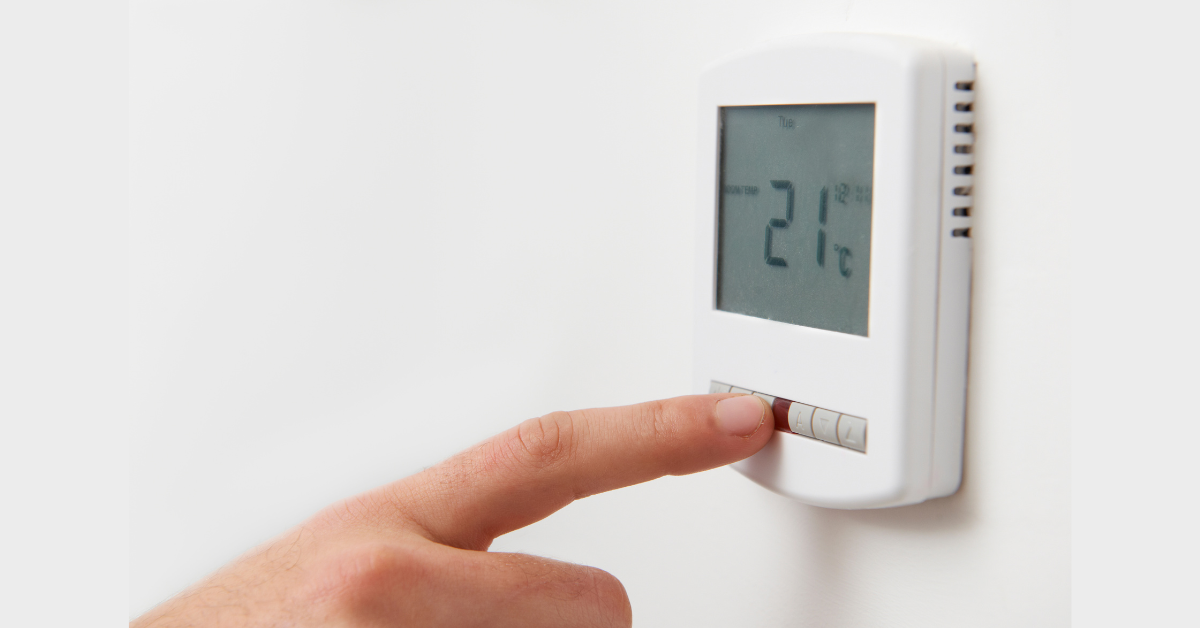
Heating and cooling account for a substantial portion of most households’ energy use, so managing your thermostat efficiently can significantly impact your overall costs. A simple way to save is by lowering your thermostat by about 7-10°F for at least eight hours each day - such as when you’re asleep or away from home - which can reduce heating costs by as much as 10%. If you’re ready to take your savings a step further, consider investing in a programmable or smart thermostat. These devices can learn your daily routine and adjust heating and cooling automatically, ensuring your home is comfortable only when you need it to be. With smart thermostats, you’ll not only benefit from reduced energy use but also from the convenience of automated, efficient temperature control.
Unplug Electronics and Use Power Strips
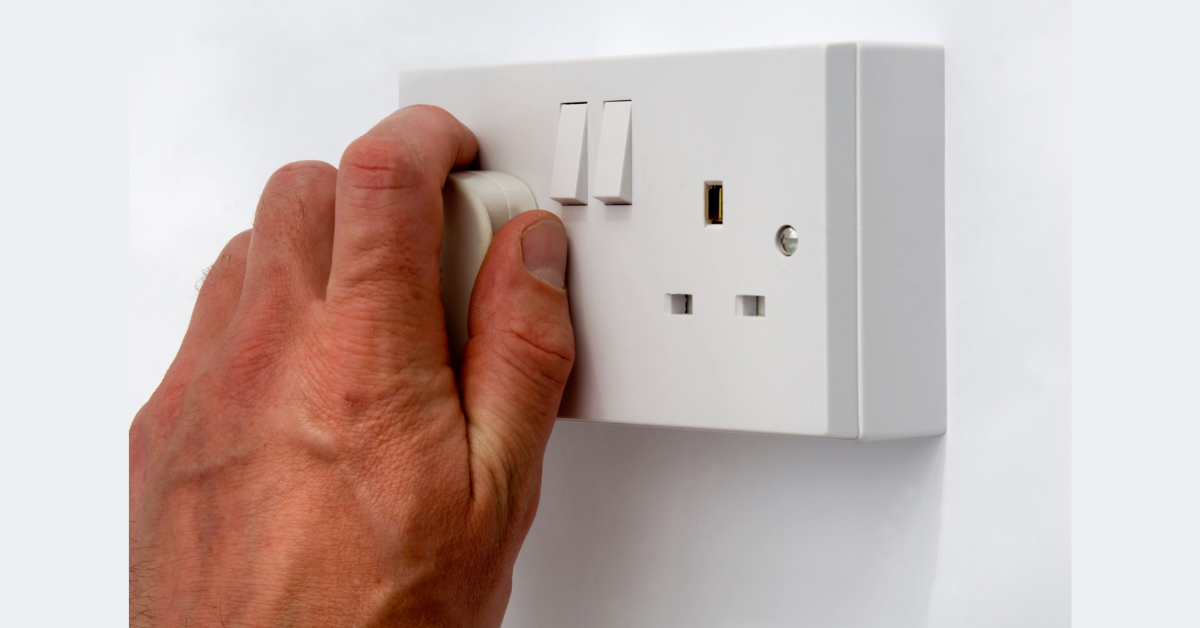
Many electronic devices continue to draw power even when turned off, creating what's known as "phantom load." This hidden energy drain can account for up to 5-10% of a household's energy usage. Using power strips for clusters of devices, like in your living room or home office, makes it easier to cut off power completely when electronics aren’t in use. You can turn off the power strip with one switch, saving you time and energy costs. Similarly, chargers for phones, laptops, and small kitchen appliances continue to pull energy when left plugged in, even if they’re not actively charging. Unplugging these or shutting off the power strip can help reduce unnecessary electricity use and make a noticeable difference in your bill.
Use Energy-Efficient Lighting
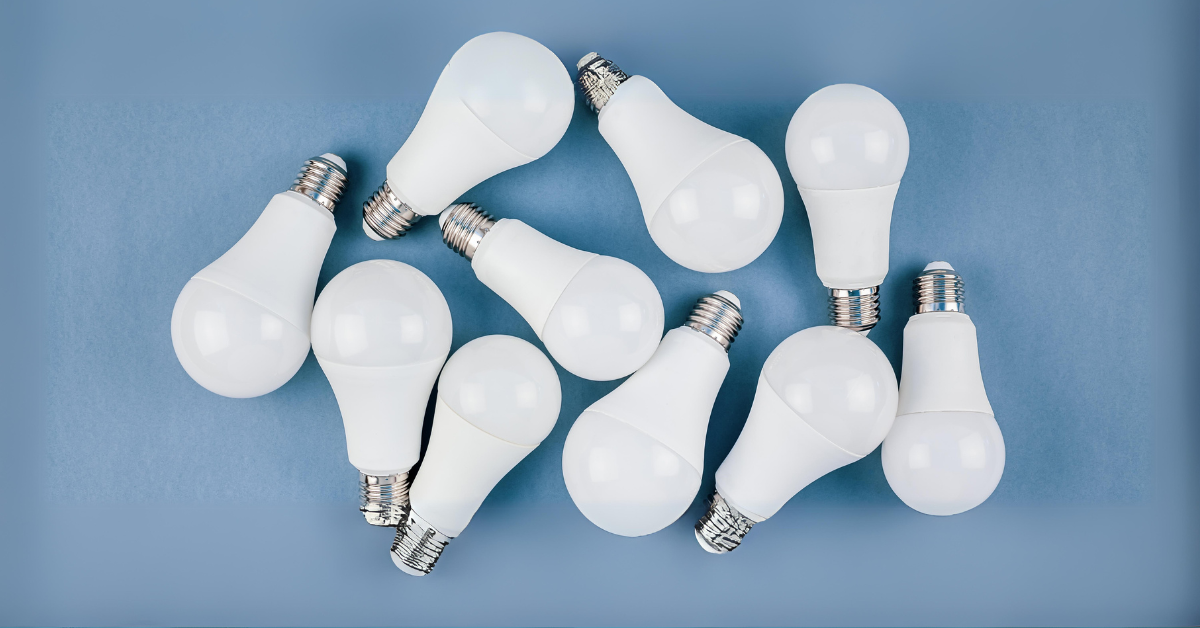
Lighting can account for around 10% of a household’s electricity use, so switching to energy-efficient lighting can yield immediate savings. LED bulbs are a popular choice, as they use up to 75% less energy and last about 25 times longer than traditional incandescent bulbs. Upgrading to LED lights is a quick and affordable change that can make a big impact on your energy bill. To save even more, consider installing motion sensors or timers on frequently used indoor or outdoor lights. These additions help ensure lights stay on only when they’re needed, offering another layer of energy savings without any extra effort on your part.
Run Appliances on Eco or Energy-Saving Settings

Many newer appliances come with energy-saving settings that reduce power consumption without sacrificing performance. Dishwashers and washing machines, for example, often have an “eco” or “energy-saving” mode that uses less energy and water. While these cycles may take slightly longer, they achieve the same results with less resource consumption, which translates to savings on your bill. It’s also helpful to avoid keeping devices on standby mode. Devices like TVs, gaming consoles, and computers still draw power in standby, so turning them off completely when not in use can add up to a noticeable reduction in energy use over time.
Use Appliances During Off-Peak Hours

Many utility companies offer lower rates for electricity during off-peak hours, so adjusting when you use energy-heavy appliances can result in real savings. Shifting laundry and dishwasher loads to the early morning or late evening, when demand for electricity is lower, can help reduce your bill, especially if your utility provider offers discounted rates for off-peak usage. Scheduling charging times for devices like laptops, phones, and electric vehicles during off-peak hours also reduces costs while easing demand on the electrical grid. This simple timing adjustment makes it easier to control your energy use without changing your routines too drastically.
Maintain Your Appliances for Efficiency
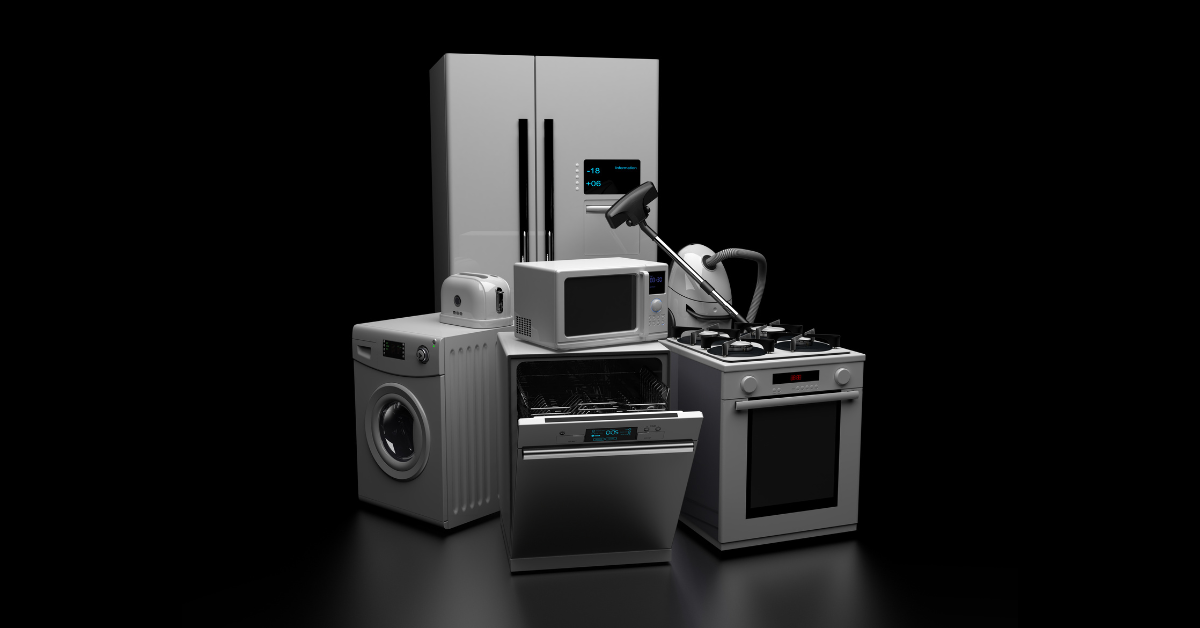
Keeping appliances well-maintained allows them to work efficiently, reducing energy use and extending their lifespan. For example, regularly cleaning the filters and coils on major appliances prevents dust and debris from accumulating and making them work harder. Small efforts to maintain your appliances go a long way toward keeping your energy use and costs lower.
By following these simple strategies, you can create a more energy-efficient home that provides comfort and warmth without stretching your budget. Small adjustments - such as sealing drafts, using energy-efficient lighting, or adjusting appliance usage - can lead to significant energy savings over time. These changes not only reduce your monthly energy bills but also lessen your home’s environmental impact by lowering overall energy consumption. Whether it’s as simple as unplugging electronics or as strategic as shifting appliance usage to off-peak hours, each effort adds up to a more efficient, cost-effective household. Embracing these energy-saving habits helps create a sustainable lifestyle that benefits both your wallet and the environment, offering you peace of mind all season long.

