Ellesmere

Selecting the right fridge freezer is about more than capacity. It's about finding the right combination of practicality, efficiency, and value for your household. This guide covers everything you need to make a confident choice.
How much capacity do you actually need?
Before looking at features, start with storage. Think about how much fresh and frozen food your household gets through in a typical week — not just your current shop, but how you actually cook and eat.
- Singles and couples: 150–250 litres is usually plenty, covering weekly shops without wasted space.
- Families of 3–4: aim for 250–350 litres, with a decent-sized freezer compartment for batch cooking and bulk buys.
- Larger households: 350–500 litres gives you the headroom for a full weekly shop, meal prep, and extras without constantly juggling space.
A common mistake: buying based on current needs rather than future ones. If you're planning a growing family, or you shop in bulk to save money, err on the larger side — it's a purchase you'll live with for 10+ years.
Which layout is right for your kitchen?
Fridge freezers come in several configurations, each suited to different kitchens and lifestyles:
Freestanding upright
The most common type. Flexible placement, wide range of sizes, and straightforward to replace. Ideal if you just need a reliable appliance that fits your space.
Integrated
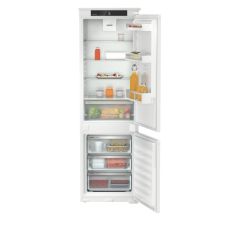
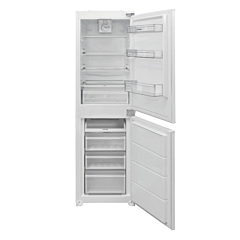
Sits behind a cabinet door for a seamless kitchen look. Tends to cost more for the same specification. Important to check hinge compatibility before buying.
American style
Side-by-side fridge and freezer with a wide footprint. Great for larger kitchens and families who need generous freezer space and easy organisation.
Bottom freezer
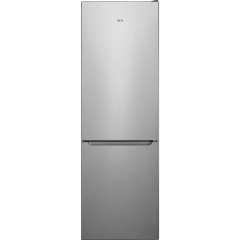
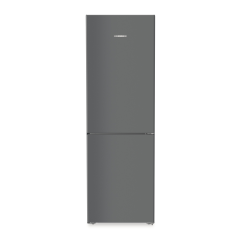
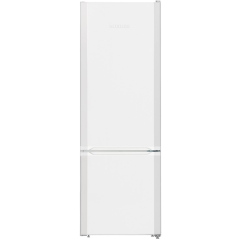
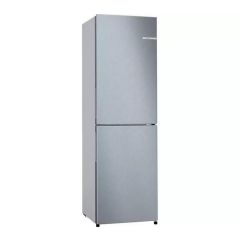
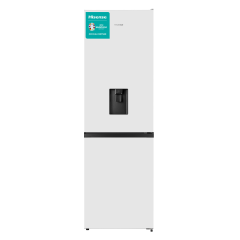
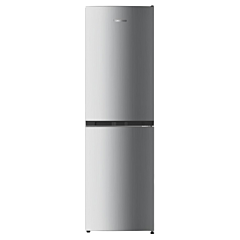
Fridge at eye level for easier daily access. The freezer drawer below is practical for stored items you access less frequently.
Before you decide: measure your space carefully — height, width, and depth — and account for ventilation clearance around the back and sides (typically 5–10cm). Also check how the door swings and whether it will clear any counters, walls, or adjacent units.
Energy efficiency — what the ratings actually mean
Since 2021, the UK uses a revised energy rating scale from A (most efficient) to G (least efficient). The old A+++ scale has been phased out, so don't be put off if you see a B or C rated model — on the new scale, these are still reasonably efficient.
Your fridge freezer runs 24 hours a day, 365 days a year — so efficiency matters more here than on almost any other appliance. A more efficient model costs more upfront but pays back over time through lower running costs. A larger, less efficient model can cost £50–£100 more per year to run than a comparable efficient one.
Check the annual kWh figure on the energy label rather than just the letter rating — a smaller fridge rated B may use less total energy than a larger fridge also rated B.
Features worth paying for
No Frost technology
No Frost (or Frost Free) technology prevents ice build-up in the freezer automatically, eliminating the need to manually defrost. If you've ever had to empty a freezer and chip away ice, you'll know why this is worth having. Most mid-range and above models now include it as standard.
Humidity-controlled drawers
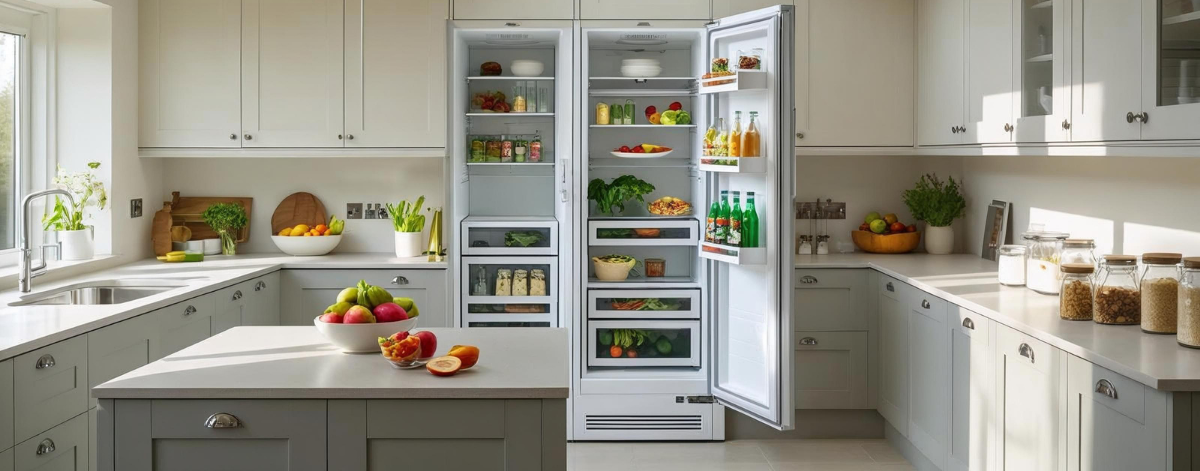
Separate crisper drawers with adjustable humidity levels keep fruit and vegetables fresh significantly longer — useful if you do a big weekly shop and want produce to last until the end of the week.
Fast cool and fast freeze
Fast cool rapidly chills new groceries without warming up existing fridge contents. Fast freeze quickly brings the freezer temperature down before adding a large batch of fresh food. Both are particularly useful after a big shop.
Adjustable shelving and door bins
Flexibility matters more than it sounds. Being able to reconfigure shelves and door storage for large items — tall bottles, big platters, awkward containers — makes a real difference to day-to-day usability.
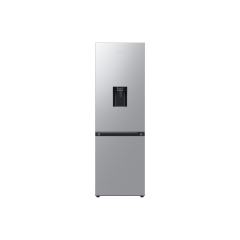
Water and ice dispensers
Convenient, but worth knowing they require a plumbed water connection. Factor in installation cost if this is something you want — and check whether the model you're looking at is plumbed or uses a reservoir tank.
Summary — what to weigh up
| Factor | What to consider |
|---|---|
| Capacity | Match to your household's weekly needs — and future needs |
| Layout | Freestanding, integrated, American style, or bottom freezer |
| Energy rating | Check the annual kWh figure, not just the letter rating |
| Key features | No Frost, humidity drawers, fast freeze, adjustable storage |
| Budget | Mid-range often gives the best balance of quality and features |
| Installation | Measure carefully, plan for ventilation, check door clearance |
The right fridge freezer keeps your food fresh, fits your kitchen, and runs efficiently for years without you having to think about it. Take time to get the specification right and it's a decision you won't regret. Our team at Barlows are always happy to talk you through the options — browse our full fridge freezer range or come in and see us in store.
Browse our full range of fridge freezers — freestanding, integrated, and American style.
Shop fridge freezers →Fridge Freezer Buying Guide | Expert Advice from Barlows Electrical
Selecting the right fridge freezer is about more than capacity - it’s about the right combination of practicality, efficiency, and value. Whether you're a solo dweller or feeding a growing family, this guide equips you with the essentials to make a confident decision.
1. Know Your Size Requirements
Begin by assessing your storage needs. Consider how much fresh and frozen food you typically juggle. Larger households benefit from models between 300–500 L, offering ample space for groceries, meal prep, and extras. For couples or singles, 150–250 L units often provide sufficient capacity without overcrowding.
2. Understand Different Layouts
Fridge freezers come in various styles:
-
Freestanding upright models - compact and accessible
-
Integrated units - hidden behind cabinetry for a seamless look
-
American-style side-by-side or bottom‑freezer - ideal for families needing generous freezer space and easy organisation
Thinking about placement-both for convenience and aesthetics - ensures your choice fits both kitchen layout and lifestyle.
3. Sharp Eye on Energy Efficiency
With running costs a key concern, Energy Ratings matter. Aim for appliances with an A+ rating or above (current scale A-G), as these consume significantly less electricity. Check the annual energy consumption on the label-smaller fridges may use just 100 kWh/year, whereas larger models can reach 350 kWh/year or more. Over time, energy savings really add up.
4. Features That Matter
Prioritise features that match your lifestyle:
- No‑Frost technology: reduces ice build-up and eliminates the need for manual defrosting.
- Humidity-controlled drawers: help keep your fruit and veg fresh.
- Adjustable shelving & door bins: offer flexibility for awkwardly shaped items.
- Fast‑cool/freezing options: useful when stocking up or chilling after a hot day.
5. Stick to Your Budget
Set a budget that balances performance and cost. Prices vary widely from budget-friendly basics to premium models laden with smart tech. Compare by evaluating:
- Storage capacity
- Energy efficiency
- Key features
- Warranty periods
Often, choosing a mid-range option yields the best value - combining dependable quality with useful extras.
6. Smart Extras & Design Details
- Water and ice dispensers: convenient but require plumbing.
- Split-door designs: help reduce energy loss-ideal for frequent fridge access.
- Touch controls and smart apps: enable remote temperature monitoring and alerts, especially handy for busy families.
7. Measure Twice, Buy Once
Before purchasing, measure the space carefully - height, width, depth - and account for airflow clearance around vents (usually a few centimetres). Factor in how the door opens, ensuring it won’t hit counters or walls. Finally, check delivery and installation details, especially for integrated or built-in designs.
Summary Table
Factor |
What to Consider |
| Capacity & Size | Match it to your household's weekly needs |
| Layout & Style | Freestanding, integrated, American-style |
| Energy Rating | A+ or higher to reduce running costs |
| Functional Features | No-Frost, humidity drawers, fast freeze, adjustable storage |
| Budget | Balance price with capacity, efficiency, and extras |
| Design & Extras | Door water/ice, smart tech, split doors |
| Installation | Measure carefully and plan for ventilation and door clearance |
Final Thought
Choosing the right fridge freezer ensures you’ll enjoy fresh, well-organised food while keeping energy bills in check. By weighing size, efficiency, features, and design, you can select a model that not only meets your practical needs but also complements your kitchen’s style.
At Barlows Electrical, we’ve got the expertise and selection to help you find the perfect fit - feel free to drop by or get in touch for tailored yet cost-effective solutions.
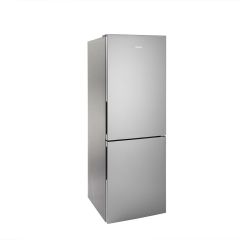






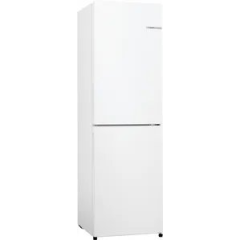


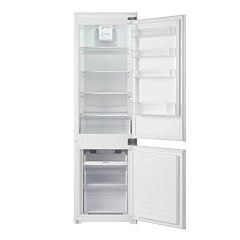



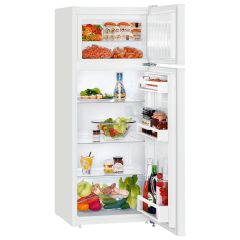
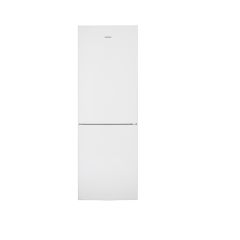
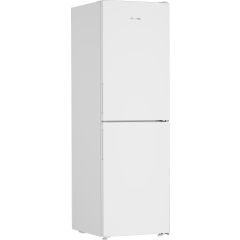
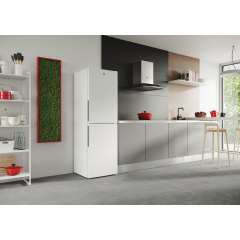

 9%%
9%%OFF


Retail price
Now
£319.99
Was
£349.99
Save
£30.00
In Stock, Available for Delivery
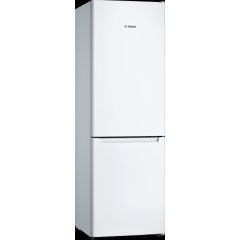

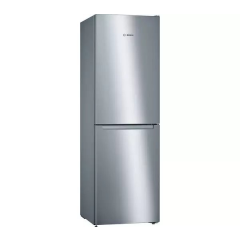



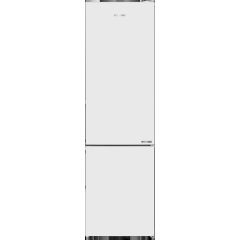
 11%%
11%%OFF



Retail price
Now
£399.99
Was
£449.99
Save
£50.00
In Stock, Available for Delivery
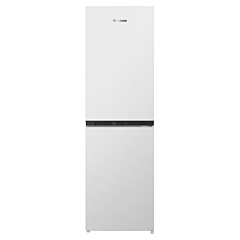
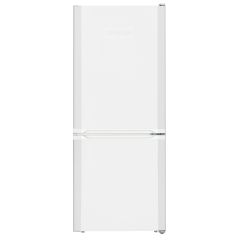
 3%%
3%%OFF

Retail price
Now
£349.00
Was
£359.00
Save
£10.00
In Stock, Available for Delivery
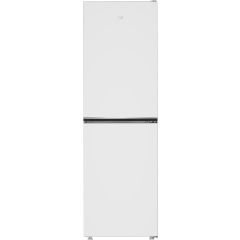
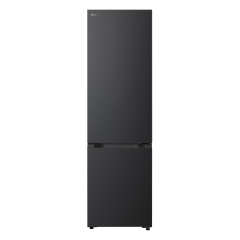 19%%
19%%OFF


Retail price
Now
£649.00
Was
£799.00
Save
£150.00
In Stock, Available for Delivery